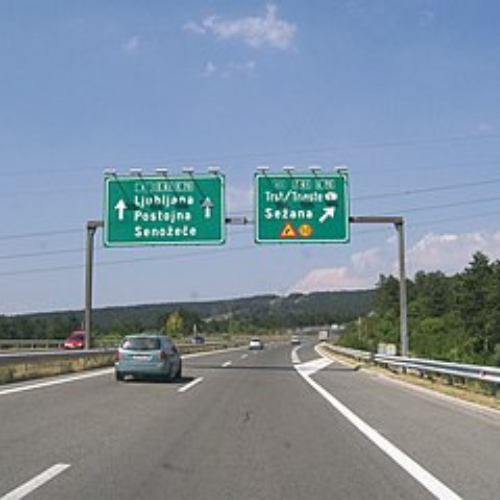
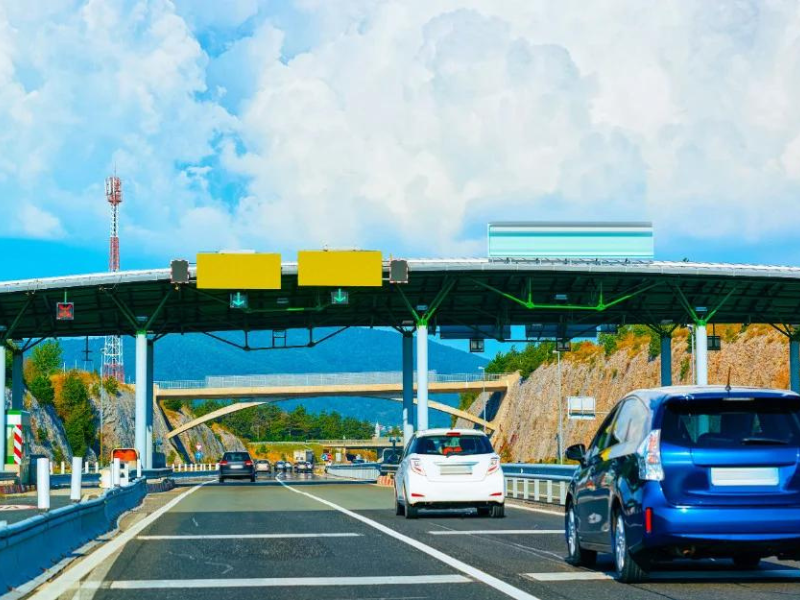
From February 1st, 2022, only electronic vignettes are valid on Slovenian highways and expressways. This obligation applies to all vehicles up to 3.5 tonnes that wish to use these roads. Vehicles over 3.5 tons must pay an electronic toll, the amount of which is calculated based on the distance traveled.
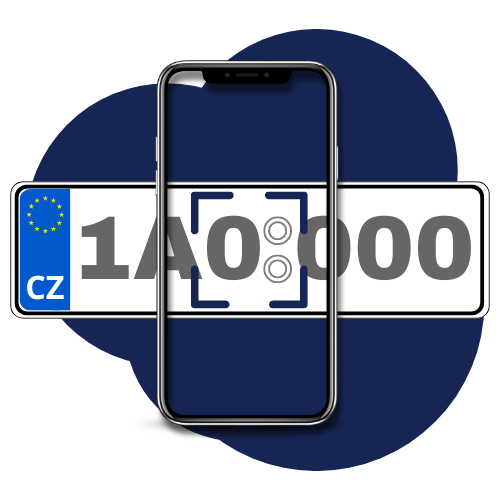
When purchasing an e-vignette, it is necessary to enter the correct registration number of the vehicle and the country where the vehicle is registered, as well as select the corresponding toll class. The e-vignette is firmly linked to the vehicle’s registration plate, and if the data in the e-vignette system does not match the registration plate of the vehicle that uses the highway or expressway, the toll is not paid. The customer is responsible for entering the correct data and choosing the correct toll category.
From February 1st, 2022, only electronic vignettes are valid on Slovenian highways and expressways. This obligation applies to all vehicles up to 3.5 tonnes that wish to use these roads. Vehicles over 3.5 tons must pay an electronic toll, the amount of which is calculated based on the distance traveled.


When purchasing an e-vignette, it is necessary to enter the correct registration number of the vehicle and the country where the vehicle is registered, as well as select the corresponding toll class. The e-vignette is firmly linked to the vehicle’s registration plate, and if the data in the e-vignette system does not match the registration plate of the vehicle that uses the highway or expressway, the toll is not paid. The customer is responsible for entering the correct data and choosing the correct toll category.
You can buy a vignette here:
You always buy an electronic vignette for Slovenian highways and expressways according to two key aspects.
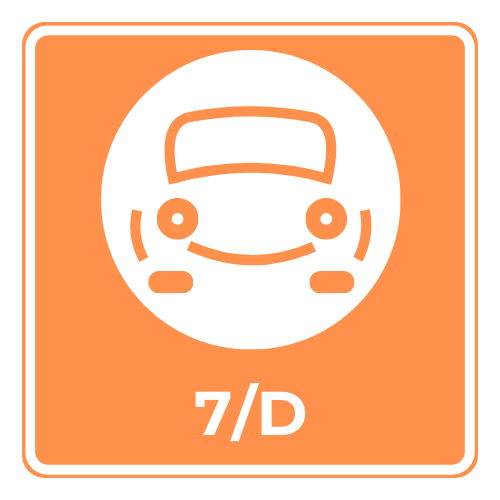
A 7-day vignette is valid for seven consecutive days from the selected start date, including the first day.

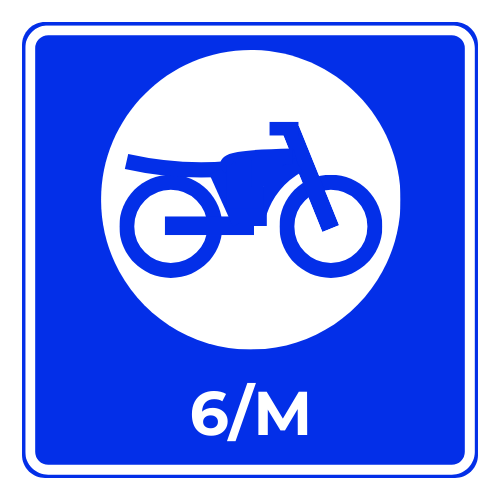
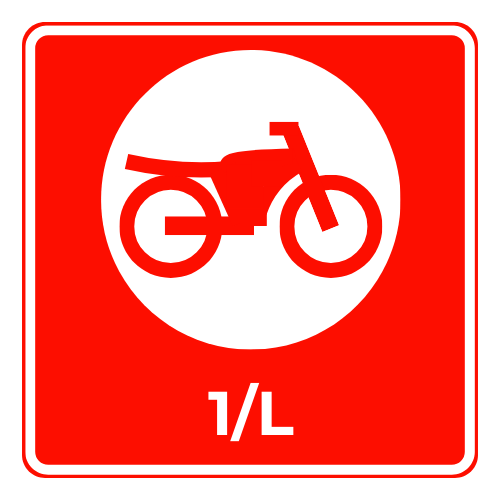
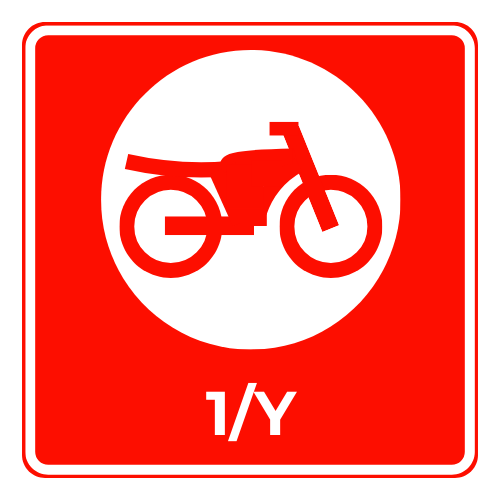
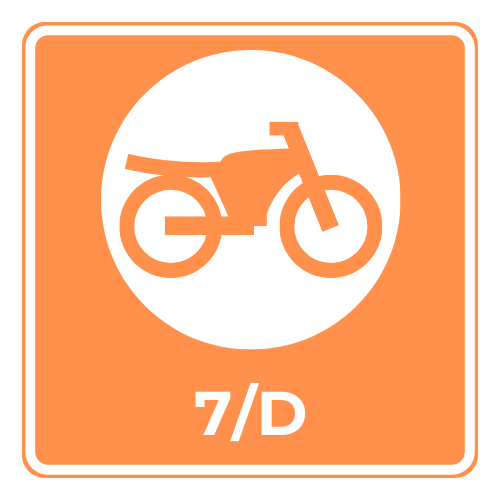
Motorcycles and other single-track motor vehicles.
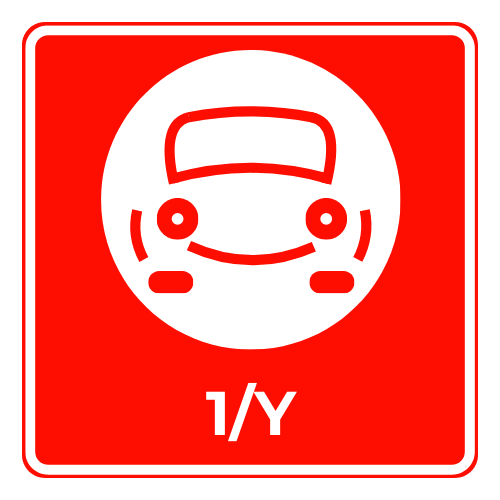
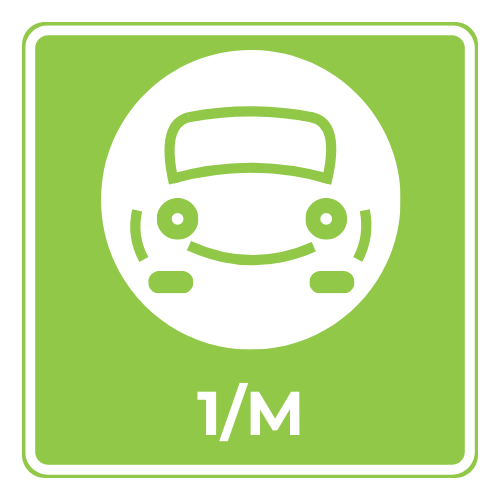
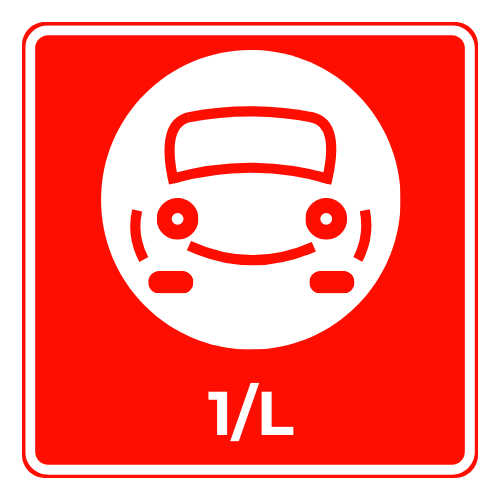
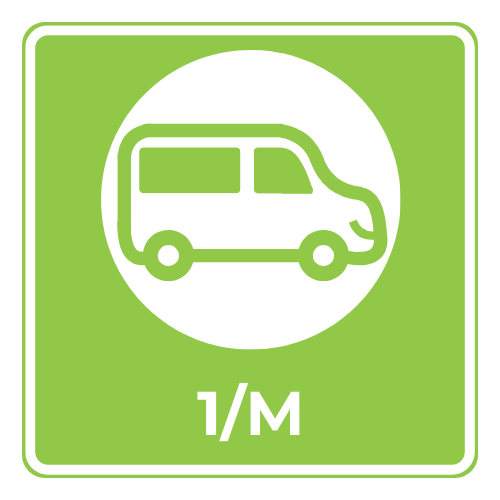
Cars up to 3.5 tonnes with a height above the front axle up to 1.3 m, and motorhomes up to 3.5 tonnes regardless of this height.
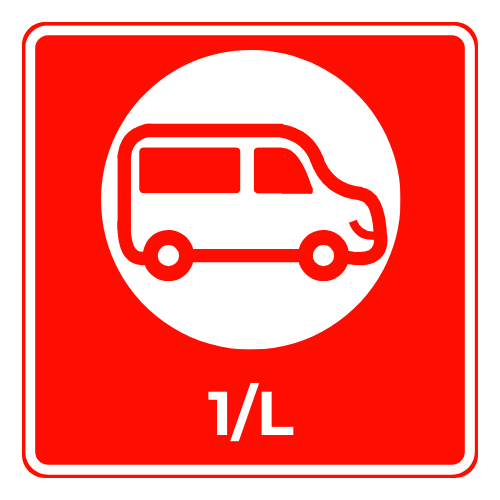
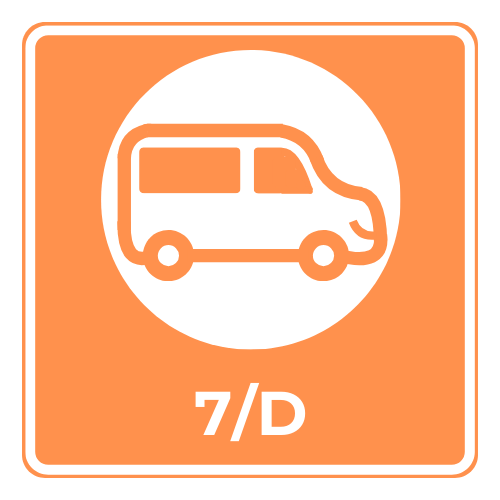
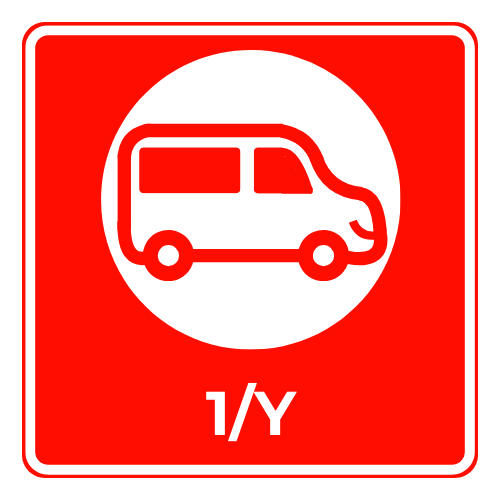
Vehicles up to 3.5 tons and above 1.3 m above the first axle.
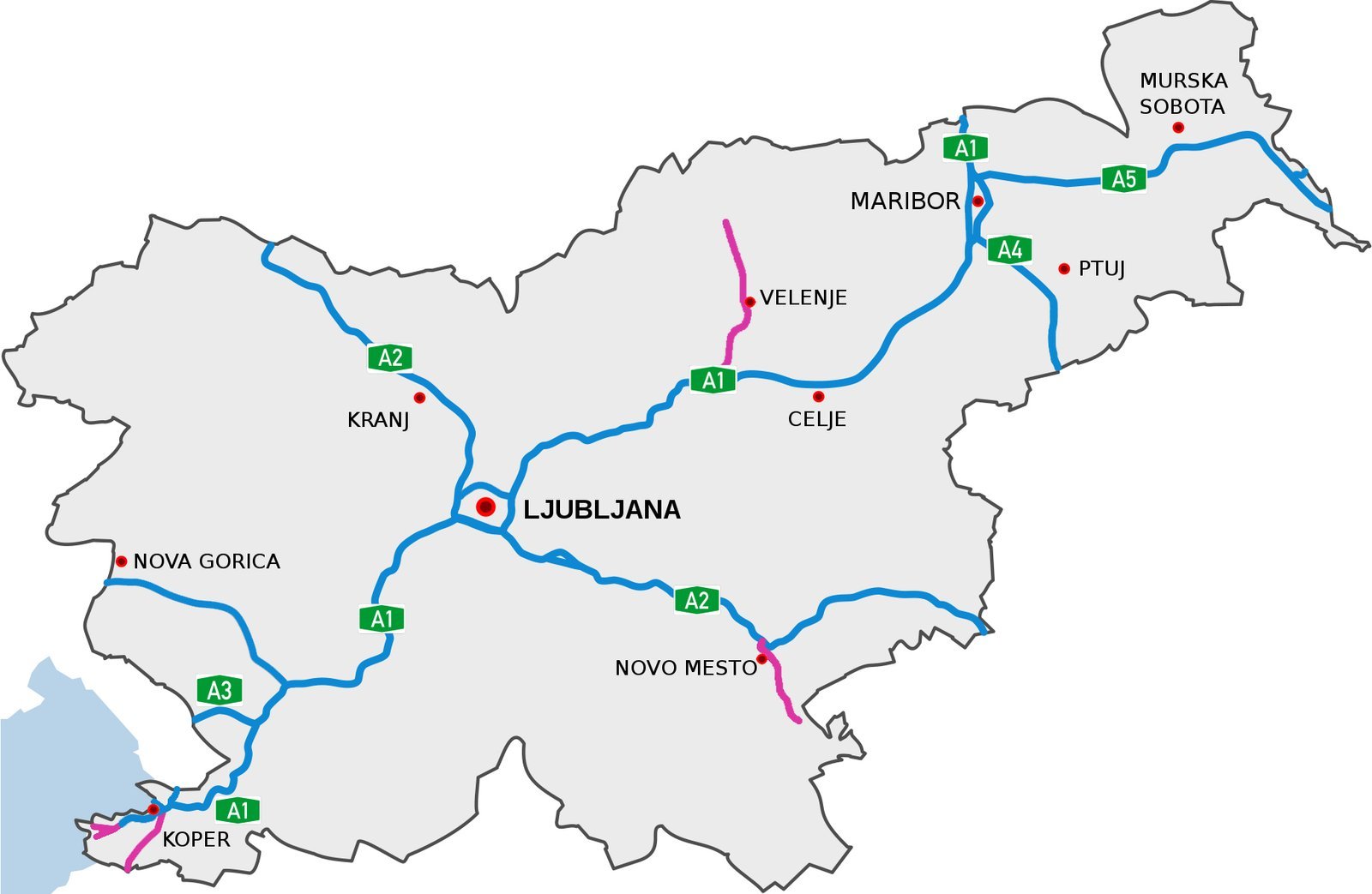
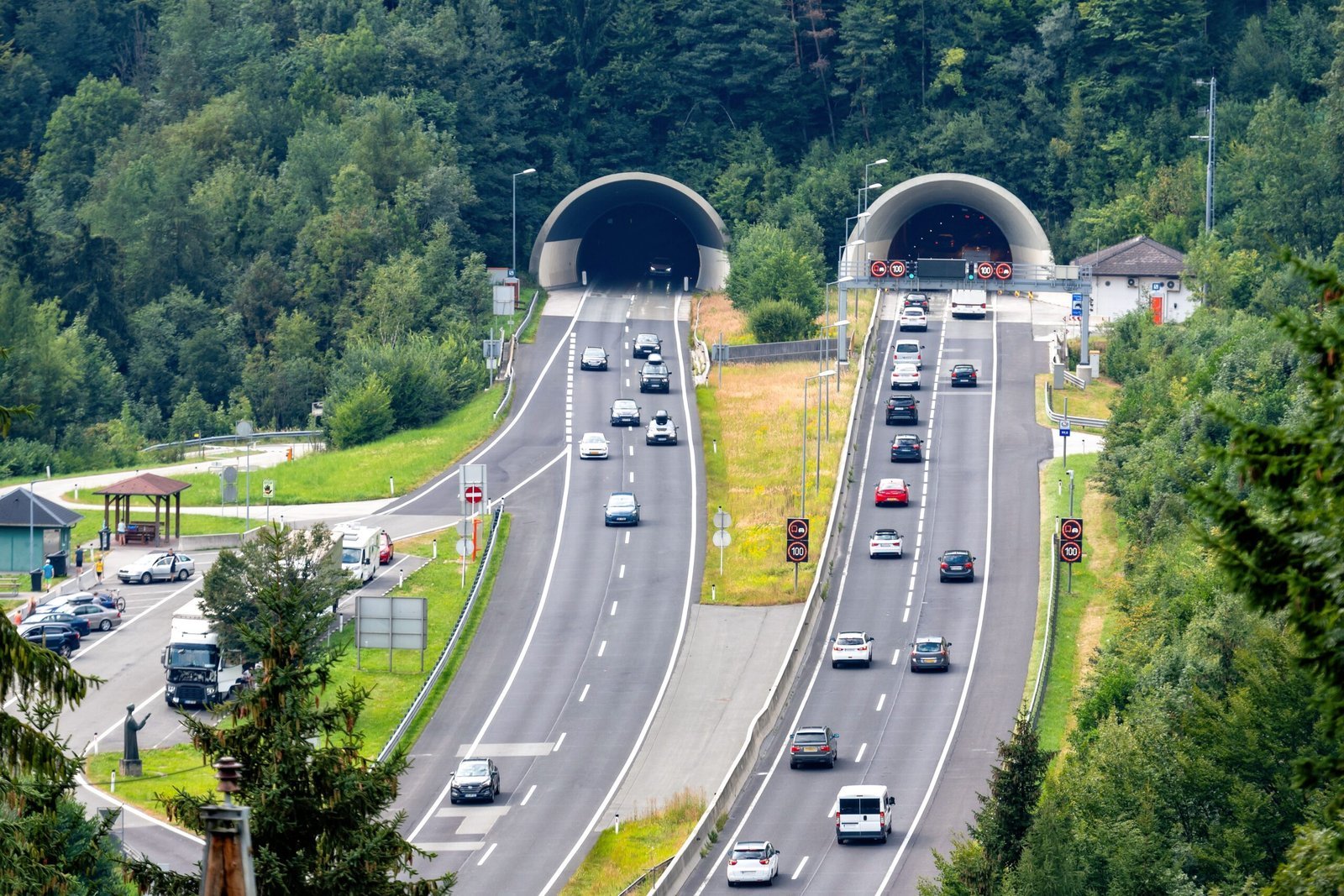
Highway A1
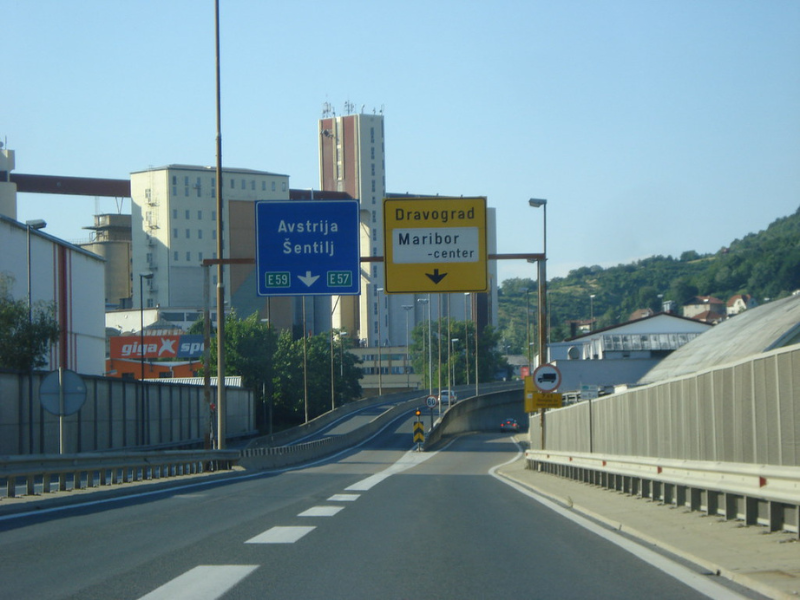
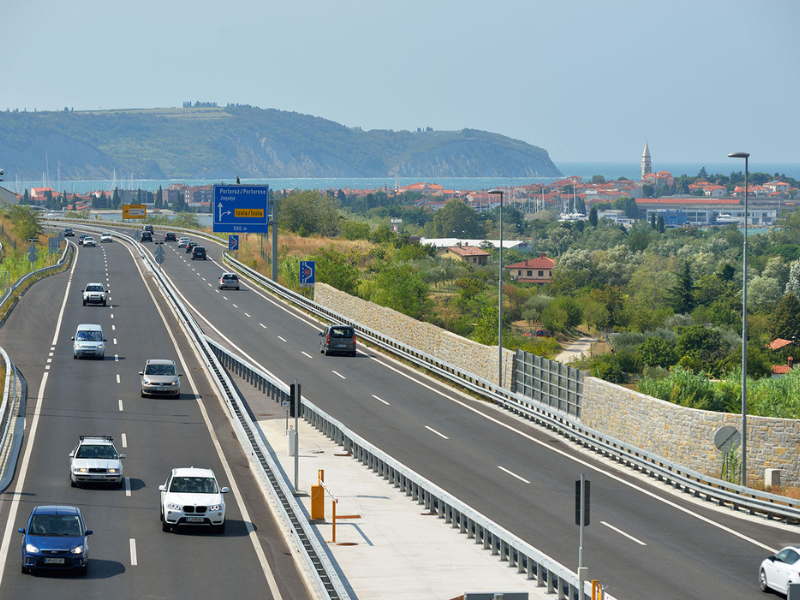
Austria – Šentilj – Maribor – Celje – Ljubljana – Postojna – Koper
Highway A2
Austria – Kranj – Ljubljana – Novo Mesto – Brežice – Obrežje
Highway A3
Divača (A1) – Fernetiči – Italy
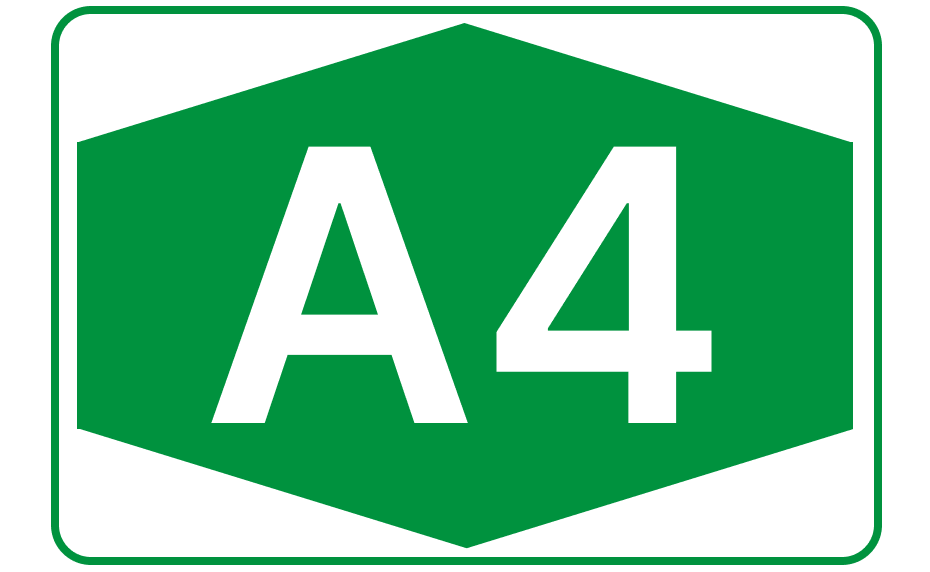
Highway A4
Slivnica (A1) – Hajdina – Draženci – Gruškovje – Croatia
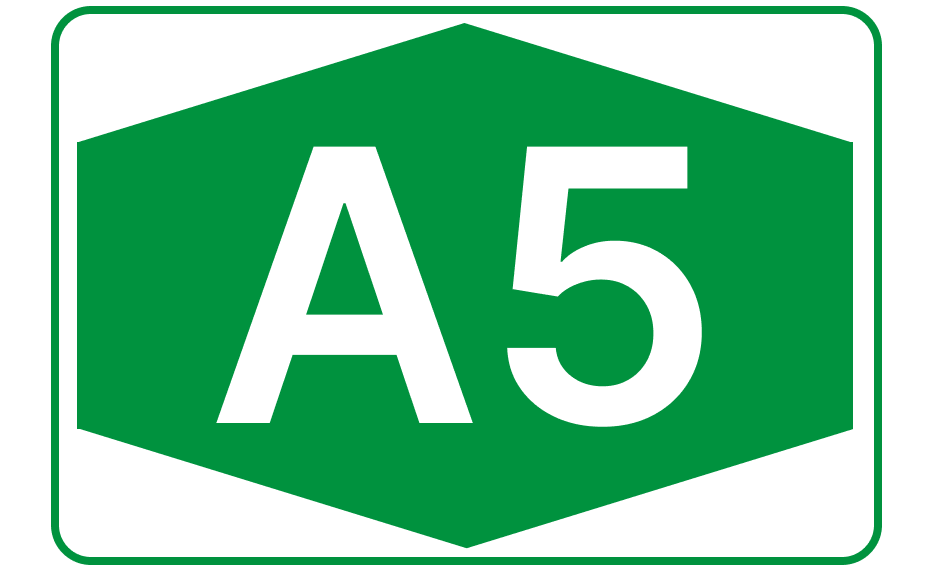
Highway A5
Dragučova (A1) – Vučja vas – Beltinci – Hungary
The Maribor Expressway (H2)
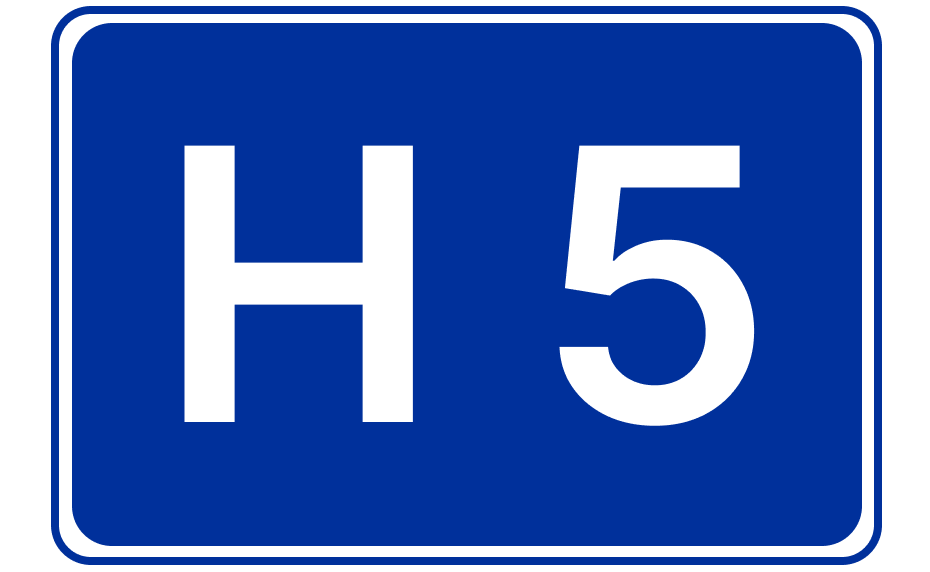
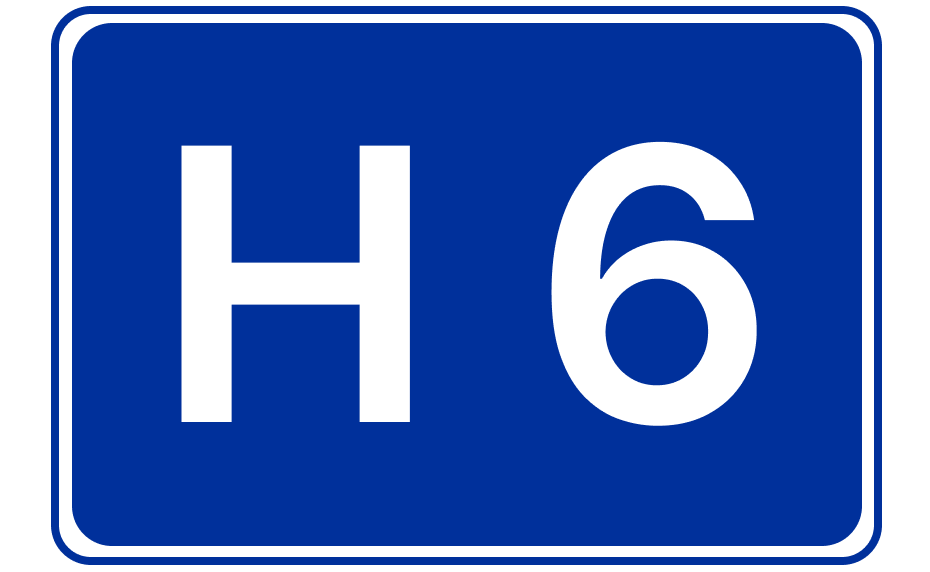
The Coastal Roads H5 and H6
The Gorenjska Highway (A2)
What is the price for driving without a vignette? The vignette in Slovenia attracts a lot of attention, especially from the local police. If you drive on a Slovenian highway without a valid vignette, you can face a fine ranging from 300 € to 800 €.
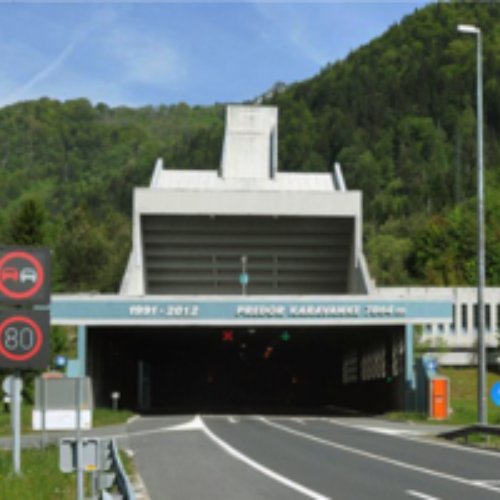
The Karavanke Tunnel is subject to a separate toll. In 2026, a single passage for vehicles up to 3.5 tonnes costs €9. Heavier vehicles use the applicable distance-based toll system.
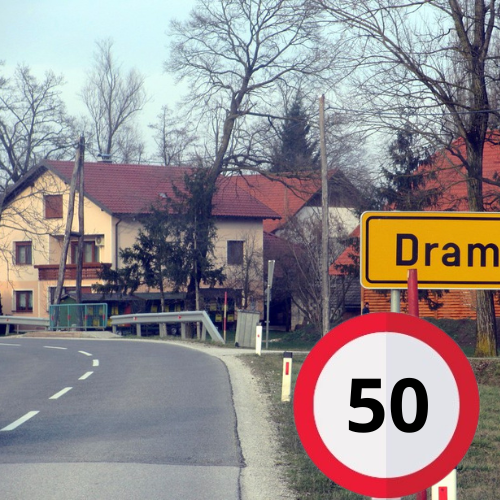
City
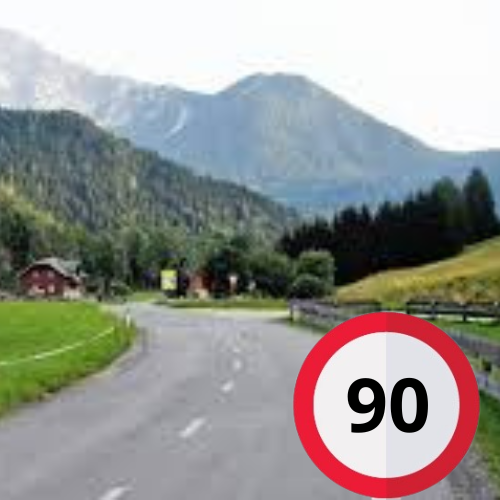
Outside the City
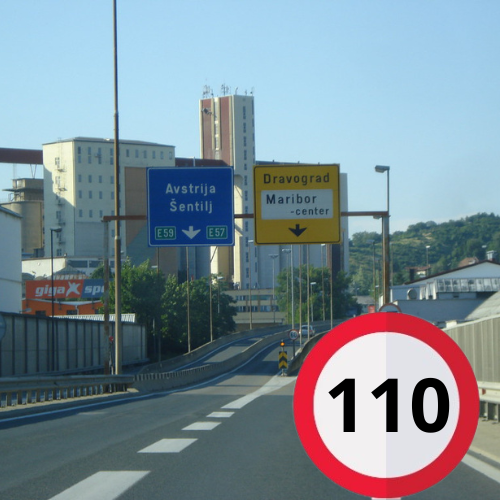
Expressways
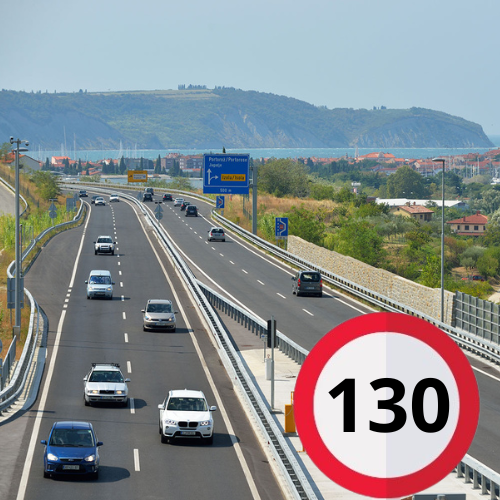
Highways
In Slovenia, the maximum permitted blood alcohol level for car and motorcycle drivers is 0.5‰. However, this standard does not apply to drivers with less than two years of experience or under the age of 21, as well as to professional drivers.
In Slovenia, it is mandatory to have your lights on during the day all year round. Failure to comply with this obligation is subject to a fine of 40 €.
The use of any anti-radar, including those integrated into navigation systems, is prohibited in Slovenia.
The Slovenian Highway Agency (DARS), the Financial Administration of the Republic of Slovenia, and the police are responsible for monitoring the correct use of e-vignettes. Controls are carried out by the operator of toll roads using cameras located on the highway network, at control points, and in vehicles intended for toll collection. Once the system verifies a vehicle that has a purchased e-stamp and no discrepancies are found, all driving data is immediately removed and does not remain recorded in the system. However, if a violation of the rules is detected, the information is retained until the violation procedure is closed.